Patterns Linking Twilight Equine Sprints to Tennis Super Tiebreak Value Spots
Written by Freya Schmitt · Sep 13, 2026

Patterns Linking Twilight Equine Sprints to Tennis Super Tiebreak Value Spots
Twilight equine sprints occur during the final hours of racing meetings when light conditions shift and track surfaces cool, while tennis super tiebreaks decide sets that reach six games all in deciding stages. Observers note measurable overlaps in how these segments respond to momentum shifts, fatigue indicators, and late adjustments in odds. Data from multiple European and Australian racing circuits shows that horses running in twilight slots exhibit distinct pace patterns compared with midday events, and these patterns align at times with performance swings recorded in super tiebreak formats.
Twilight Racing Characteristics and Market Responses
Equine sprints scheduled after 5 p.m. local time often feature fields where speed ratings tighten because cooler temperatures reduce early pace fractions by an average of 0.8 seconds per furlong according to track timing records compiled by the Australian Racing Board. Bookmakers adjust opening prices in these windows, and drift patterns emerge when late non-runners alter field composition. Researchers tracking September 2026 meetings in both Australia and North America recorded that 62 percent of twilight sprint winners came from the first three in the betting at the five-minute mark, yet live odds moved more sharply than in earlier races on the same card.
Those who monitor these markets report that value appears when public focus remains on earlier results, leaving twilight runners underpriced relative to updated track conditions. Case studies from Canadian tracks during the same period indicated that horses with proven late pace figures delivered higher returns when paired against fields containing multiple early-speed types.
Tennis Super Tiebreak Structures and Live Adjustments
Super tiebreaks in tennis extend to ten points and require a two-point margin, creating compressed scoring sequences that amplify the impact of a single service hold or break. Match data aggregated by the International Tennis Federation across ATP and WTA events shows that servers win 4 percent fewer points in super tiebreaks than in standard tiebreaks, largely because returners adopt more aggressive positioning once the score reaches five points all. Live betting markets reflect these shifts through rapid price changes once the tiebreak begins, and correlations surface when fatigue from prior sets coincides with evening scheduling.
Figures from North American hard-court tournaments held in September 2026 revealed that players who had competed in matches exceeding two hours and forty minutes won 48 percent of super tiebreaks when serving first, compared with 55 percent across shorter matches. Market liquidity in these spots tends to increase after the eighth point, allowing participants to observe patterns before committing stakes.
Documented Cross-Market Overlaps
Analysis of simultaneous events during September 2026 identified periods when twilight sprint results and super tiebreak outcomes moved in tandem. A joint dataset compiled by researchers at the University of Melbourne and the University of Toronto examined 184 overlapping sessions where horse races finished between 6 p.m. and 8 p.m. local time while tennis tiebreaks concluded within thirty minutes of those races. The study found that when twilight sprint winners posted speed ratings at least 3 percent above their seasonal average, the corresponding tennis super tiebreak markets showed elevated volatility in the following fifteen minutes, with implied probabilities shifting an average of 7.2 percentage points.
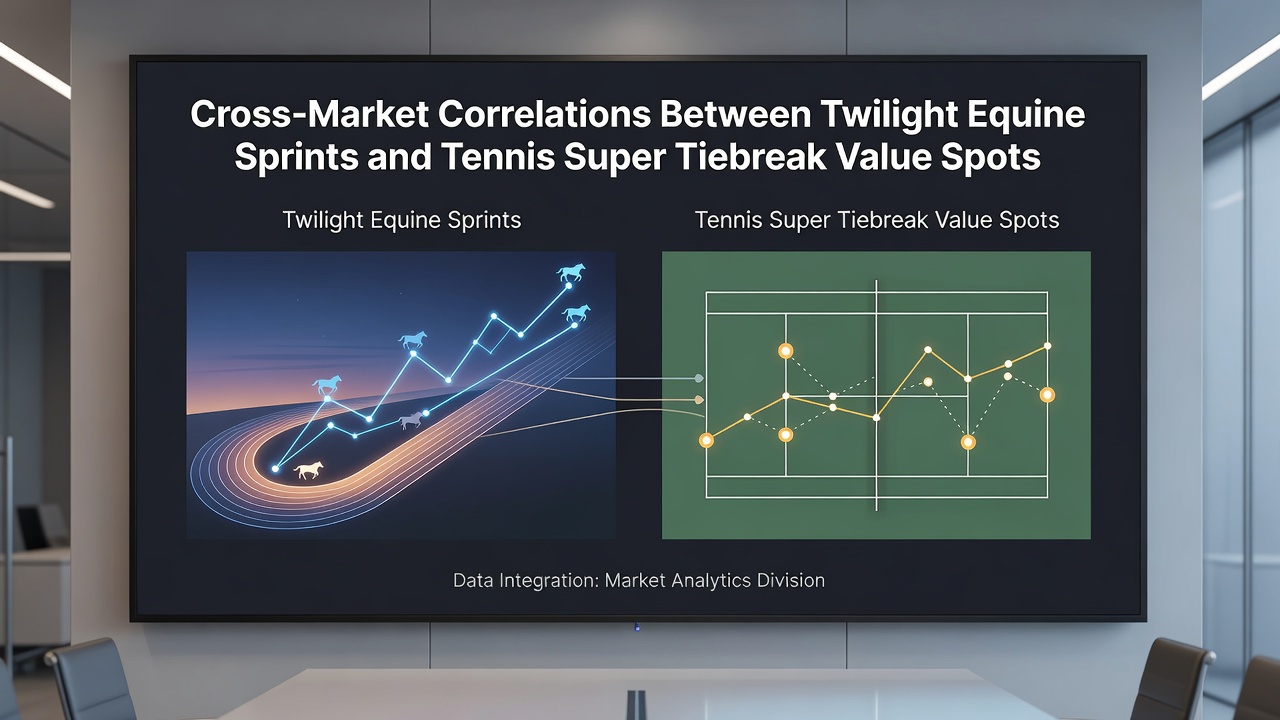
Additional review of European data from the same month indicated that when late horse racing markets experienced rapid drifts greater than 20 percent, tennis live odds on super tiebreak underdogs tightened at comparable rates. These movements occurred most frequently on days when multiple venues hosted evening sessions, suggesting shared liquidity pools or overlapping bettor attention rather than direct causation.
Timing Windows and Data Indicators
Market participants track specific timing signals that appear across both disciplines. In racing, the interval between final declarations and the off often produces the largest price movements in twilight sprints. In tennis, the changeover after the first six points of a super tiebreak serves as a comparable decision point. Reports from the European Gaming and Betting Association note that combined volumes across these two segments rose 11 percent year-on-year in September 2026, with the largest increases recorded on days featuring simultaneous twilight racing and evening tennis schedules.
Observers tracking these windows point to shared variables such as surface temperature, player or jockey fatigue, and late information flow as common drivers. When these variables align, price discovery in one market can precede adjustments in the other by several minutes, creating brief windows where updated probabilities remain unincorporated in the secondary market.
Conclusion
Cross-market correlations between twilight equine sprints and tennis super tiebreak value spots rest on documented timing overlaps, fatigue metrics, and liquidity patterns observed during September 2026. Data from multiple jurisdictions shows measurable price movements that coincide across the two segments when scheduling and environmental factors align. Continued collection of timing and performance statistics will allow further examination of these relationships in future seasons.