Intersecting Global Sports Calendars: Analyzing Overlap Dynamics for Layered Multi-Sport Wagers
Written by Freya Schmitt · Nov 8, 2026
Intersecting Global Sports Calendars: Analyzing Overlap Dynamics for Layered Multi-Sport Wagers
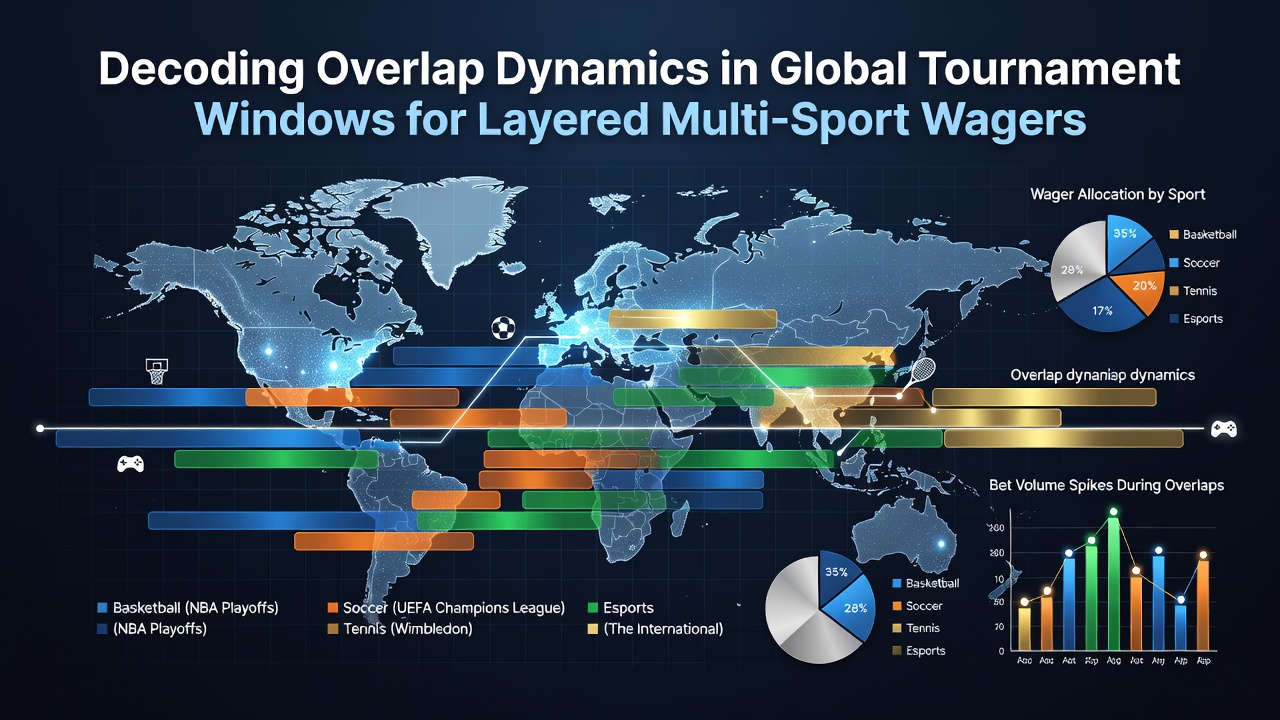
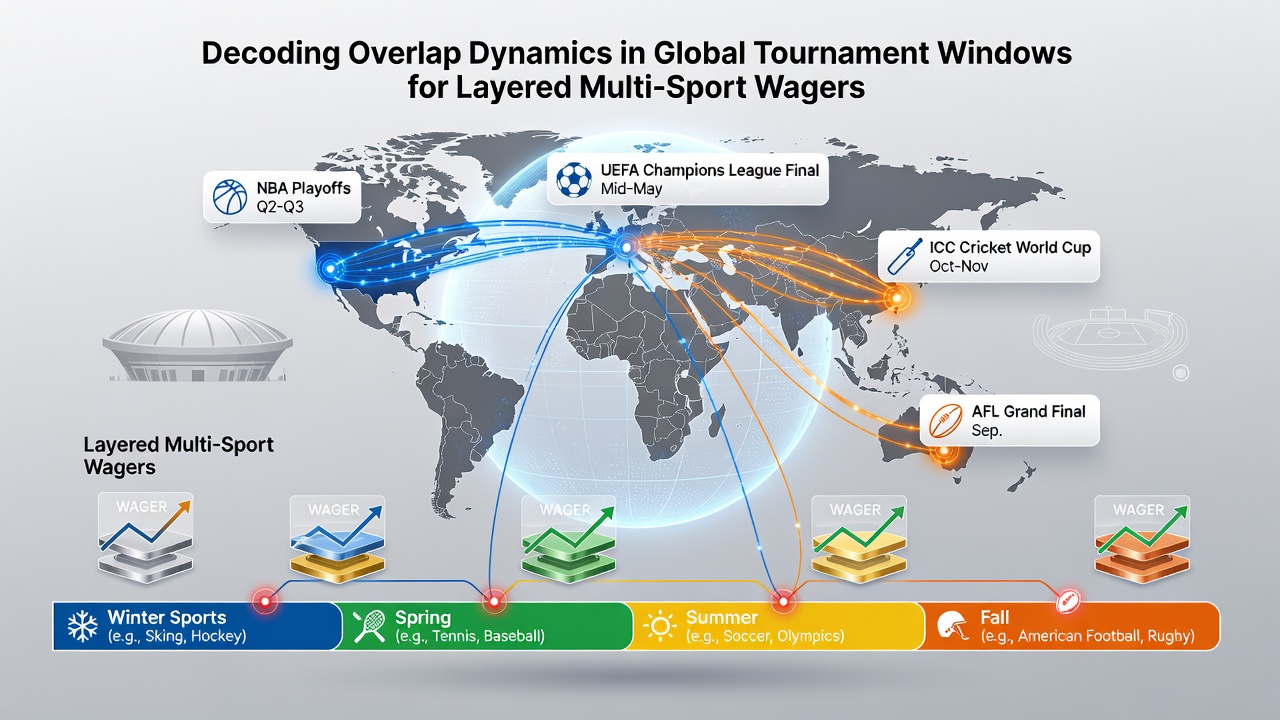
Global sports calendars create complex intersections each year, and observers note that these patterns shape opportunities for layered wagers spanning multiple disciplines, with data from international scheduling bodies showing consistent overlaps between major events in football, tennis, and horse racing. Researchers at institutions tracking event timing have mapped how football league fixtures coincide with tennis grand slams and thoroughbred racing festivals, producing windows where bettors can construct accumulators that draw from simultaneous competitions rather than isolated matches.
Calendar Patterns Across Regions
European football seasons run from August through May, yet they intersect with the Australian summer racing carnival that peaks in November, while tennis players compete on hard courts in the United States during the same period, and figures from the International Olympic Committee reveal that continental championships often fall into these same months, creating layered timelines that stretch across hemispheres. In November 2026, the ATP Finals in Turin align with ongoing Premier League weekends and the Melbourne Cup carnival, allowing data analysts to track how time zones and broadcast schedules influence wager placement volumes across platforms.
Impact on Layered Betting Structures
Layered multi-sport wagers rely on these overlaps because participants can select outcomes from concurrent events, and studies conducted by the Canadian Centre on Substance Use and Addiction indicate that bettors frequently combine football clean sheets with tennis set totals when schedules permit simultaneous markets. The mechanics involve identifying periods when at least three major sports host active tournaments, which increases the number of available selections while introducing variables such as travel fatigue for athletes and weather disruptions at outdoor venues. Observers tracking operator data note that these intersections lead to higher engagement with accumulator products that span disciplines, since single-sport betting limits exposure to one set of variables.
Regulatory and Market Responses
Government agencies in Australia have published reports on how overlapping tournament windows affect responsible gambling frameworks, with the Australian Gambling Research Centre documenting shifts in participation rates when events cluster together, and similar analyses from the National Council on Problem Gambling in the United States highlight the need for clearer disclosure of multi-sport products during these periods. Industry organizations such as the European Gaming and Betting Association track how operators adjust odds and promotions in response to calendar density, noting that simultaneous windows often prompt revised risk models to account for correlated outcomes across sports. Those monitoring regulatory filings observe that licensing requirements in multiple jurisdictions now include provisions for disclosing how tournament overlaps influence market offerings.
Analytical Approaches to Overlap Windows
Analysts employ scheduling software to forecast periods of high intersection density, and one study released by the University of Nevada's International Gaming Institute examined historical data showing that November and December consistently produce the greatest number of concurrent events across the three primary sports. These tools allow identification of specific weeks when football midweek fixtures, tennis indoor tournaments, and winter racing meets create extended betting windows, enabling construction of layered wagers that draw selections from each discipline. Data sets compiled by academic researchers further reveal correlations between athlete performance metrics during travel-heavy segments of the calendar and subsequent betting market movements.
Conclusion
Global tournament intersections continue to define the structure of layered multi-sport wagers, with evidence from regulatory reports and academic analyses demonstrating that calendar overlaps drive both product development and participant activity. Scheduling patterns in November 2026 and similar periods underscore the ongoing relevance of these dynamics for markets spanning football, tennis, and horse racing.